Human agency
Human transformation
In the age of AI, when machines are able to do many things we have been doing for so long, our goal should be to collectively develop human agency.
Agency is the capacity to act. It is the freedom to choose, to judge, and to change the arrangements you live inside, rather than to be carried along by them. It is not intelligence, and it is not speed. A person with it can take a role, a rule, or a story and see when it no longer fits. A person without it stays inside the part they were handed, however capable they are.
This has never been a private feeling, and it is not a skill one person installs alone. People develop it together: in a mind willing to step out of a category it was given, between people who can change how they live with one another, and in the wider order of work, rank, and institution. Those orders are made by people. What people make, people can remake.
The new tools make that task sharper. A machine can now draft, calculate, remember, and carry through much of what used to fill a working day. Trying to stay faster at those old tasks is the wrong use of the effort. The work is to become more able to act. There is a risk the other way as well. The same machine that takes repetitive work off our hands can sort people into ranks, predict them into the role they already occupy, and make an arrangement feel natural because a system produced it. One use leaves more room to judge and to choose. The other closes that room. The tool does not decide which. People do, and they do it together. One person can guard a little freedom in a day. At the scale of this change, developing human agency is shared work.
AI transformation, beside this page, asks how a firm moves from isolated tools to a different way of working. This page is the other half of that question. It is about the people those systems will sit among: whether a day still feels like something a person does, and whether the orders we build still leave room to move.
Two books, written with Dr. Krishnaswamy Dara, stay with that question. They draw on a long argument about human dignity and the freedom to act, and they bring it into the present. One is a practical case for remaking a life and the arrangements around it, from the mind outward. The other follows how people answered economic change across Asia, and asks what that record offers as another new economy takes shape.
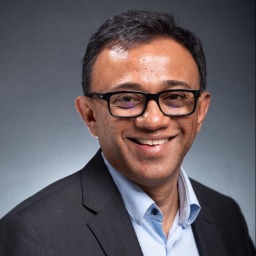
Dr. M Krishna Sridhar
Advanced AI Lead
Accenture Malaysia
Co-founder, Sparsa AI
Krishna leads agentic AI transformation across manufacturing, energy, semiconductors and banking. An author, speaker and entrepreneur, he connects advanced AI architecture with operating-model change and enterprise-scale execution.
Blog
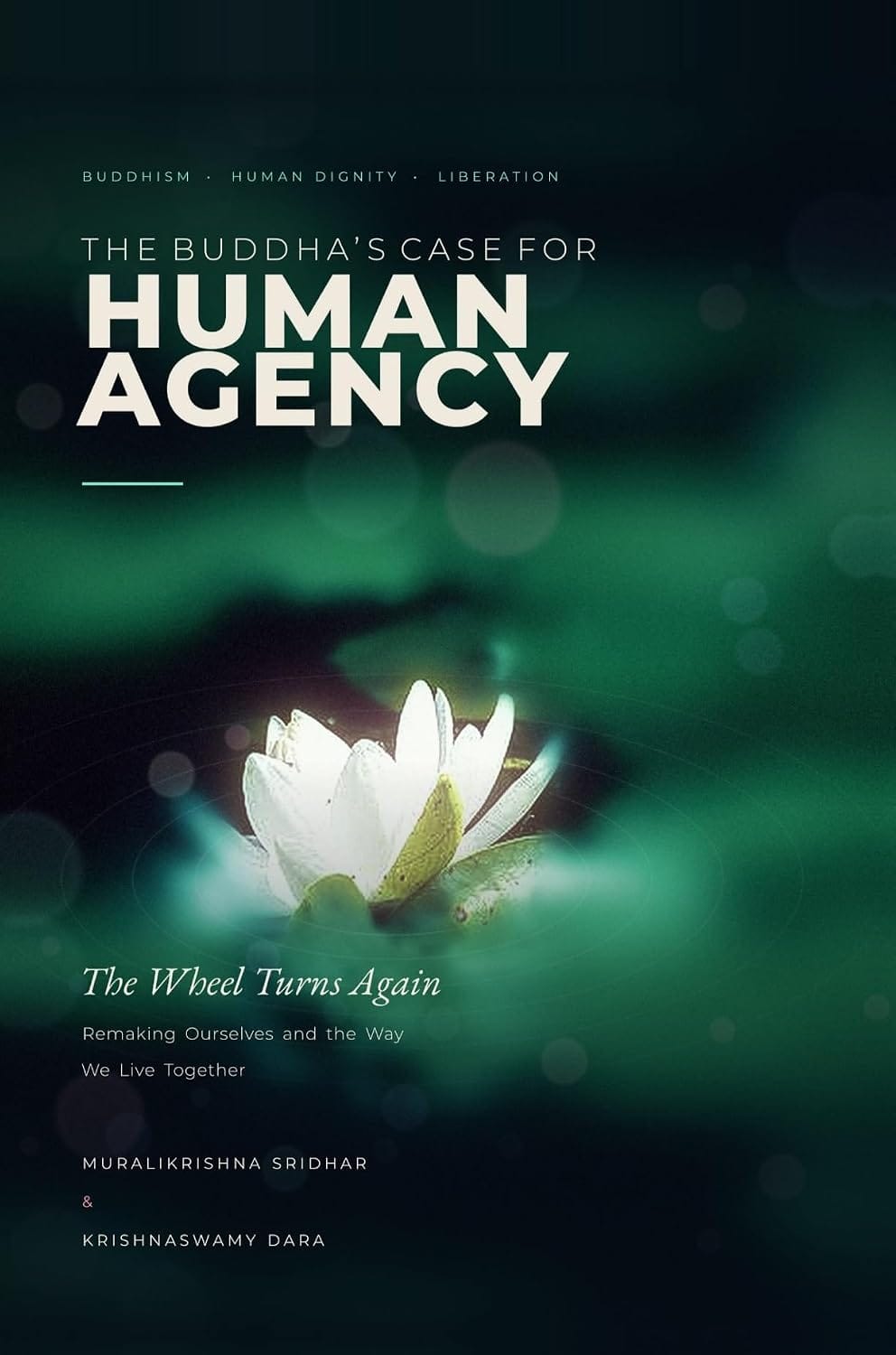
The Buddha’s Case for Human Agency
The Wheel Turns Again
You work hard, you stay connected, and life can still feel as if it is happening to you. The book treats that feeling as something people make, through the roles they are handed and the arrangements they build, and it sets out how a life can be remade: in a mind, with the people close to you, and in the wider world.
Read on Amazon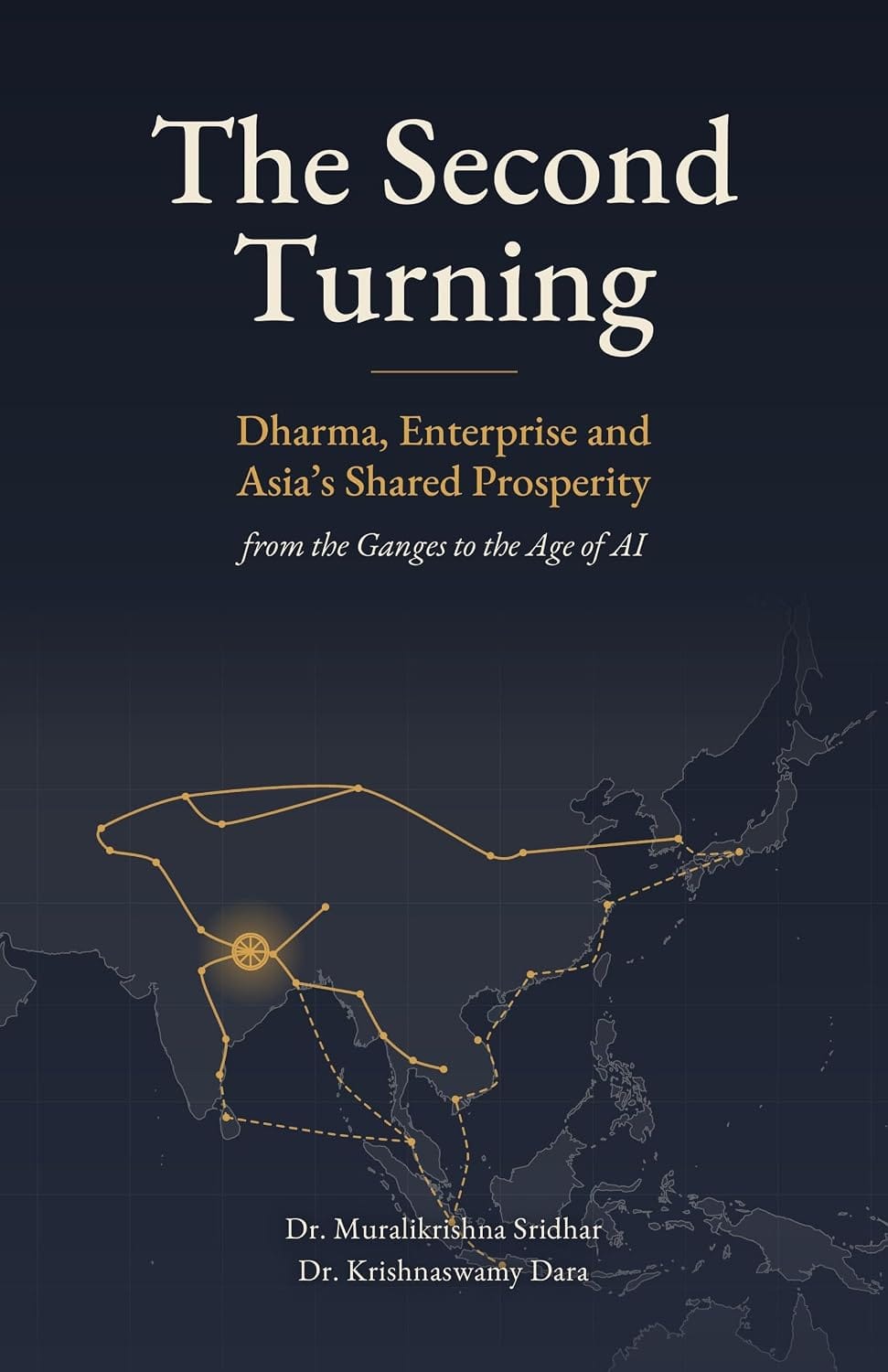
The Second Turning
Dharma, Enterprise and Asia’s Shared Prosperity
When an economy changes, the question of who is free to act comes back. The book follows that question across Asia, from older orders to the economies taking shape now, and asks what the record offers.
Read on Amazon